
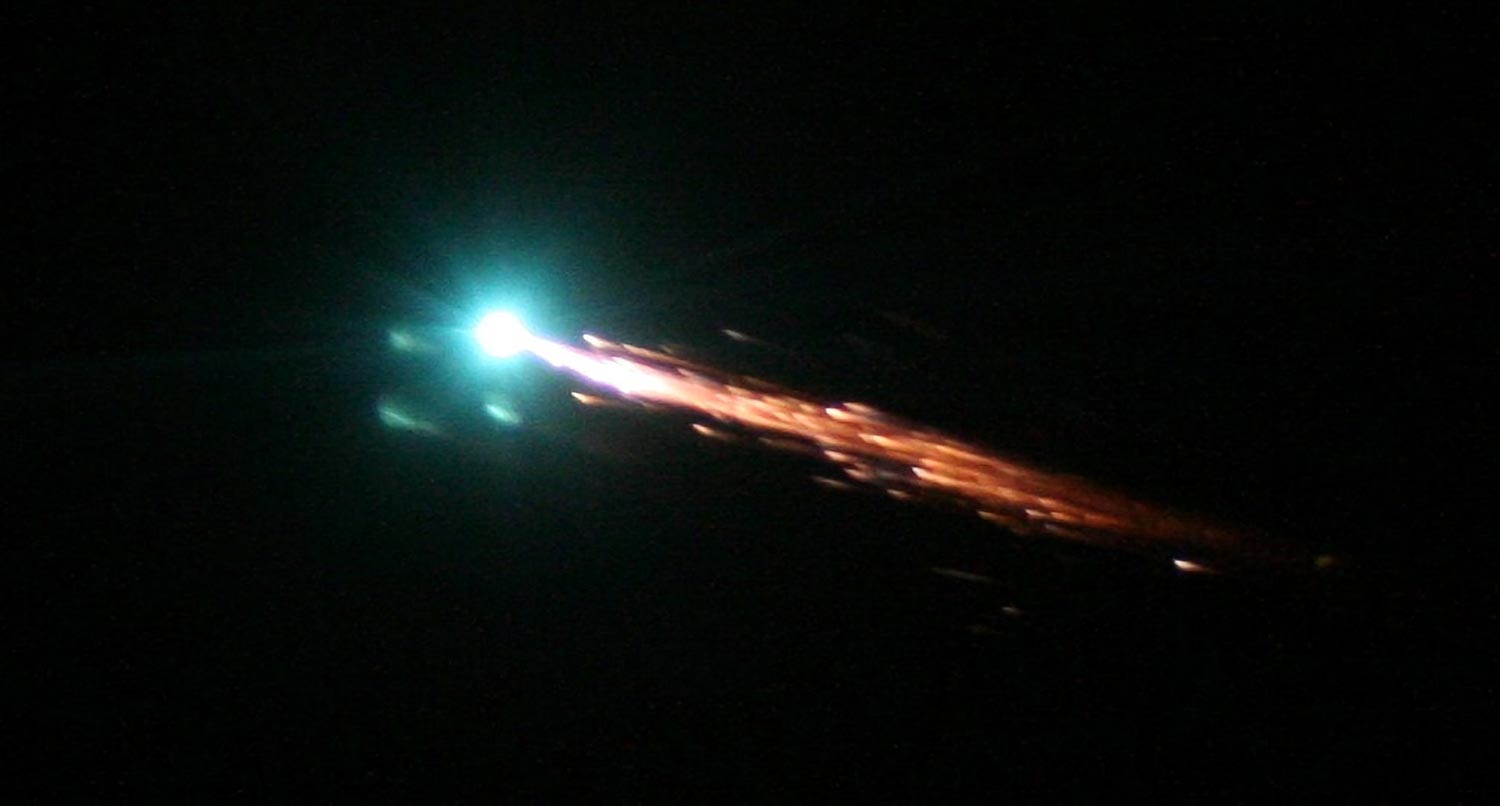
NASA의 지구방사예산위성(Earth Radiation Budget Satellite)은 대기권에서 타버릴 것으로 예상된다. 여기서 우리는 2008년 태평양 상공 재진입을 관찰한 DC-8 항공기에서 가져온 파괴적인 재진입에 관한 Jules Verne 우주선 ATV를 봅니다. 크레딧: ESA
1월 초[{” attribute=””>NASA’s retired Earth Radiation Budget Satellite (ERBS) is expected to reenter Earth’s atmosphere after almost four decades in space. For 21 of those years, the ERBS actively investigated how the Earth absorbed and radiated energy from the Sun, and made measurements of stratospheric ozone, water vapor, nitrogen dioxide, and aerosols.
As of Thursday, January 5, the Department of Defense predicted that the 5,400-pound satellite will reenter the atmosphere at approximately 6:40 p.m. EST on Sunday, January 8 with an uncertainty of +/- 17 hours. NASA and the Defense Department will continue to monitor the reentry and update the predictions.
NASA expects most of the satellite to burn up as it travels through the atmosphere, but some components are expected to survive the reentry. The risk of harm coming to anyone on Earth is very low – approximately 1 in 9,400.
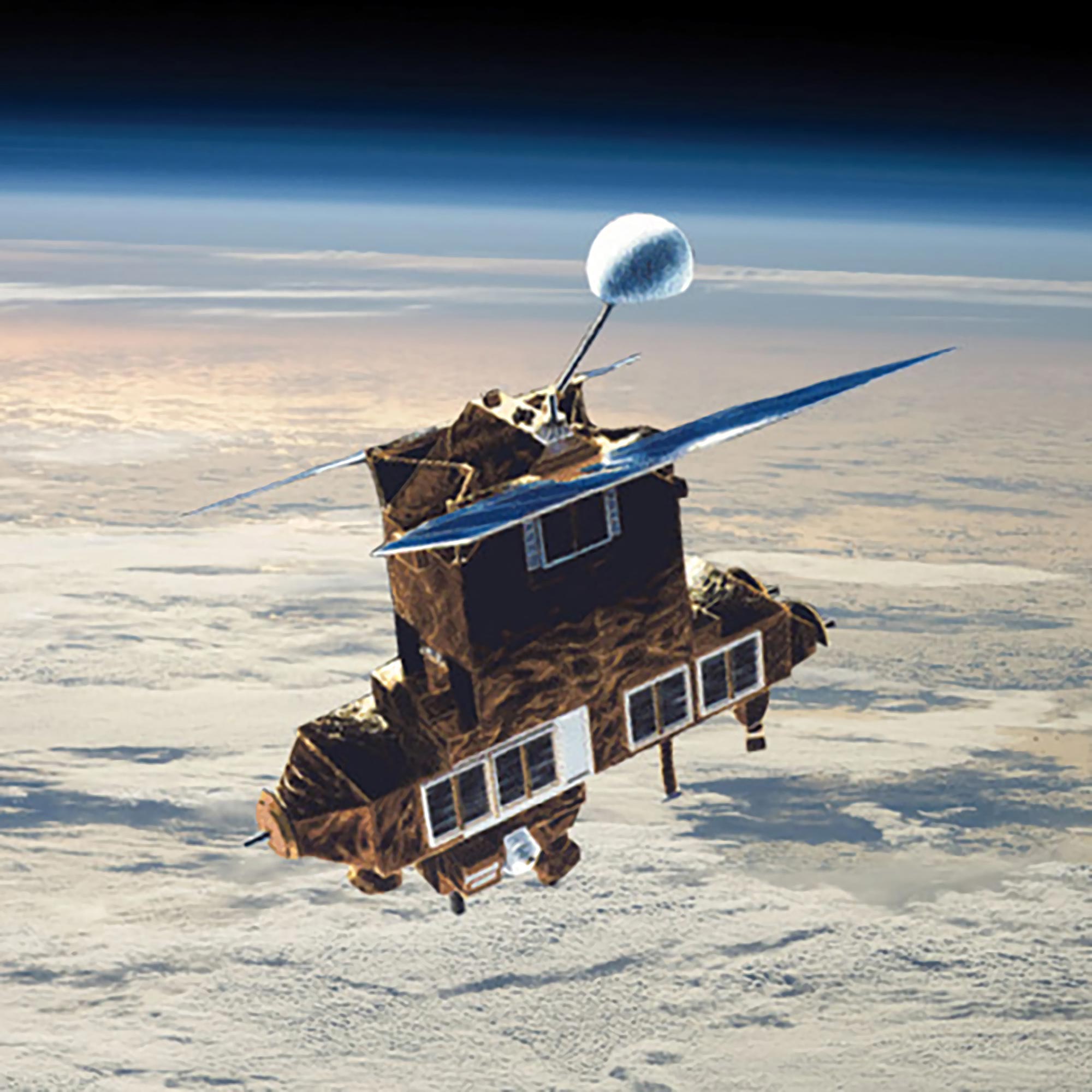
NASA’s Earth Radiation Budget Satellite (ERBS) was designed to examine how energy from the Sun is absorbed and re-emitted by the Earth. By understanding this process, researchers can learn more about patterns in Earth’s weather. ERBS was launched on October 5, 1984, on the Space Shuttle Challenger and retired on October 14, 2005, making it one of the longest-running spacecraft missions. Although the spacecraft was only expected to operate for two years, it actually provided scientists with data on the Earth’s ozone layer for over 20 years. Credit: NASA
Launched from the Space Shuttle Challenger on October 5, 1984, the ERBS spacecraft was part of NASA’s three-satellite Earth Radiation Budget Experiment (ERBE) mission. It carried three instruments, two to measure the Earth’s radiative energy budget, and one to measure stratospheric constituents, including ozone.
The energy budget, the balance between the amount of energy from the Sun that Earth absorbs or radiates, is an important indicator of climate health, and understanding it can also help reveal weather patterns. Ozone concentrations in the stratosphere play an important role in protecting life on Earth from damaging ultraviolet radiation.
ERBS far exceeded its expected two-year service life, operating until its retirement in 2005. Its observations helped researchers measure the effects of human activities on Earth’s radiation balance. NASA has continued to build on the success of the ERBE mission with projects including the current Clouds and the Earth’s Radiant Energy System (CERES) suite of satellite instruments.
The Stratospheric Aerosol and Gas Experiment II (SAGE II) on the ERBS made stratospheric measurements. SAGE II collected important data that confirmed the ozone layer was declining on a global scale. That data helped shape the international Montreal Protocol Agreement, resulting in a dramatic decrease around the globe in the use of ozone-destroying chlorofluorocarbons. Today, SAGE III on the International Space Station collects data on the health of the ozone layer.

김애란은 bsnewspaper.com의 필진으로 뉴스, 정치, 경제, 기술, 스포츠, 엔터테인먼트, 라이프스타일 등 다양한 분야의 소식을 다룹니다. 독자들이 중요한 이슈를 쉽게 이해할 수 있도록 명확하고 균형 잡힌 보도에 중점을 두고 있으며, 유용한 정보와 시의성 있는 내용을 전달합니다. 또한 현재의 주요 사건과 독자들의 관심사에 맞는 이야기를 알기 쉽게 풀어내는 데 힘쓰고 있습니다.